Idaho Falls Window Replacement: Vinyl, Fiberglass, Wood-Clad & Doors
Expert residential and commercial window services across the Upper Snake River Valley. Free written quotes, permit pulled, ratings shown on paper.
- ✓City of Idaho Falls licensed
- ✓NFRC-labeled ratings quoted
- ✓Zone 6B U-0.30 or better
- ✓Permit pulled on every job
Idaho Falls Window Replacement handles window replacement, patio doors, entry doors and insulated glass throughout Idaho Falls and the wider Upper Snake River Valley. We work in vinyl, fiberglass, wood-clad and thermally broken aluminum, and we handle sealed-unit repair, egress cutting and commercial storefront glass. Work here runs from one fogged pane up to every opening in a house, residential and commercial alike.
Every quote carries three figures copied straight off the NFRC label: U-factor, solar heat gain coefficient, air leakage. We print them rather than describe them. Bonneville County sits in IECC Climate Zone 6B, where the prescriptive fenestration limit is U-0.30 and there is no solar heat gain requirement at all, so the numbers that matter here are not the ones that matter in a cooling climate.
The city sits at roughly 4,701 feet, which is high enough that insulating glass fabricators disagree about whether a sealed unit shipped here needs a capillary tube. That single decision governs whether your glass keeps its argon fill. We ask the question on every order and put the answer in writing before anything is fabricated. Nobody should learn about a capillary tube from the sticker on their new glass.
Why Idaho Falls Chooses Idaho Falls Window Replacement
- ✓We confirm the sealing elevation of every insulating glass order before it is placed, because at 4,701 feet that decision governs whether your units keep their argon fill or arrive vented.
- ✓Quotes reproduce the label's own figures for U-factor, solar gain and air leakage. Descriptive language about efficiency is not a specification and we do not substitute one for the other.
- ✓We specify south-facing glass for solar gain rather than rejection, because Climate Zone 6B sets no solar heat gain ceiling and ENERGY STAR states the Northern-zone figure as a minimum.
- ✓We hold the city building contractor license the municipal code requires to pull a permit, which is a separate credential from the state contractor registration most companies cite.
- ✓We price sealed-unit repair against full replacement on every fogged window and show both, because on a sound sash the repair frequently wins and we would rather you knew.
- ✓We will talk you out of impact-rated glazing, solar-control mesh and residential aluminum frames when they are wrong for this climate, which in eastern Idaho is most of the time.
About Idaho Falls Window Replacement in Idaho Falls, ID
Idaho Falls Window Replacement works the valley floor as a window, door and glass contractor, running from Blackfoot north to Ashton and east over the pass into Teton Valley. We install vinyl, fiberglass, wood-clad and thermally broken aluminum systems, replace failed insulating glass in existing sash, cut and fit basement egress openings, and handle commercial storefront and entrance work.
What we do differently is dull and specific. We read the NFRC label onto the quote instead of describing it, we confirm where each sealed unit will be assembled before ordering, and we tell you outright when repairing beats replacing. At roughly 4,701 feet those details are not pedantry, they decide whether the glass you paid for holds the gas fill it was sold with.
There are jobs we turn down. If your sash are sound, your seals are intact and your complaint is a draft at the perimeter, hire an insulation contractor to air-seal the openings instead of hiring us to replace them. If someone has quoted you hurricane-rated impact glass in eastern Idaho, decline it. And if you need one small unit reglazed twenty miles out, we will tell you honestly whether the trip charge makes it worth doing.
Our Window Services in Idaho Falls, ID
Energy-Efficient Window Replacement
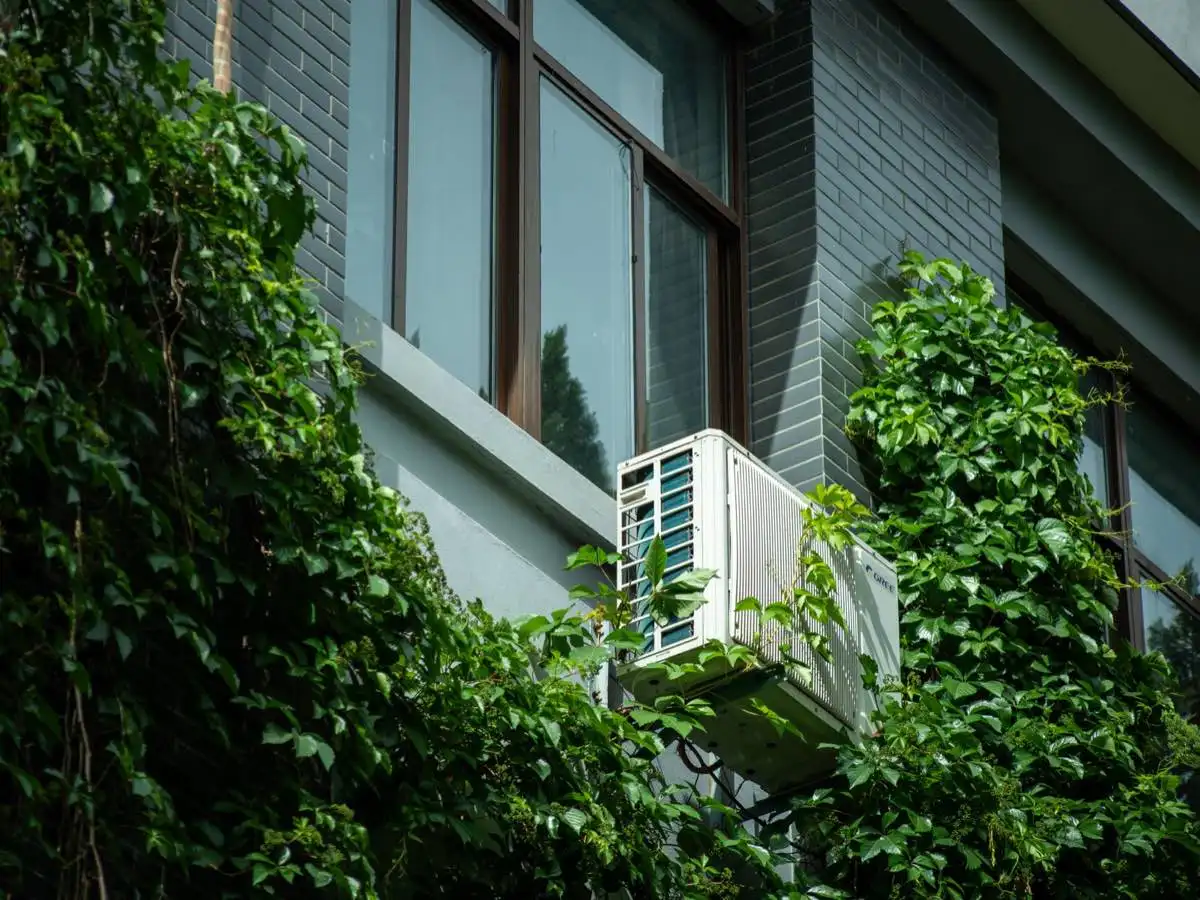
This city sits in IECC Climate Zone 6B, where the prescriptive fenestration limit is a U-factor of 0.30. That number is a floor rather than a goal, and a great deal of what gets sold here clears it by a rounding error.
Vinyl Window Replacement
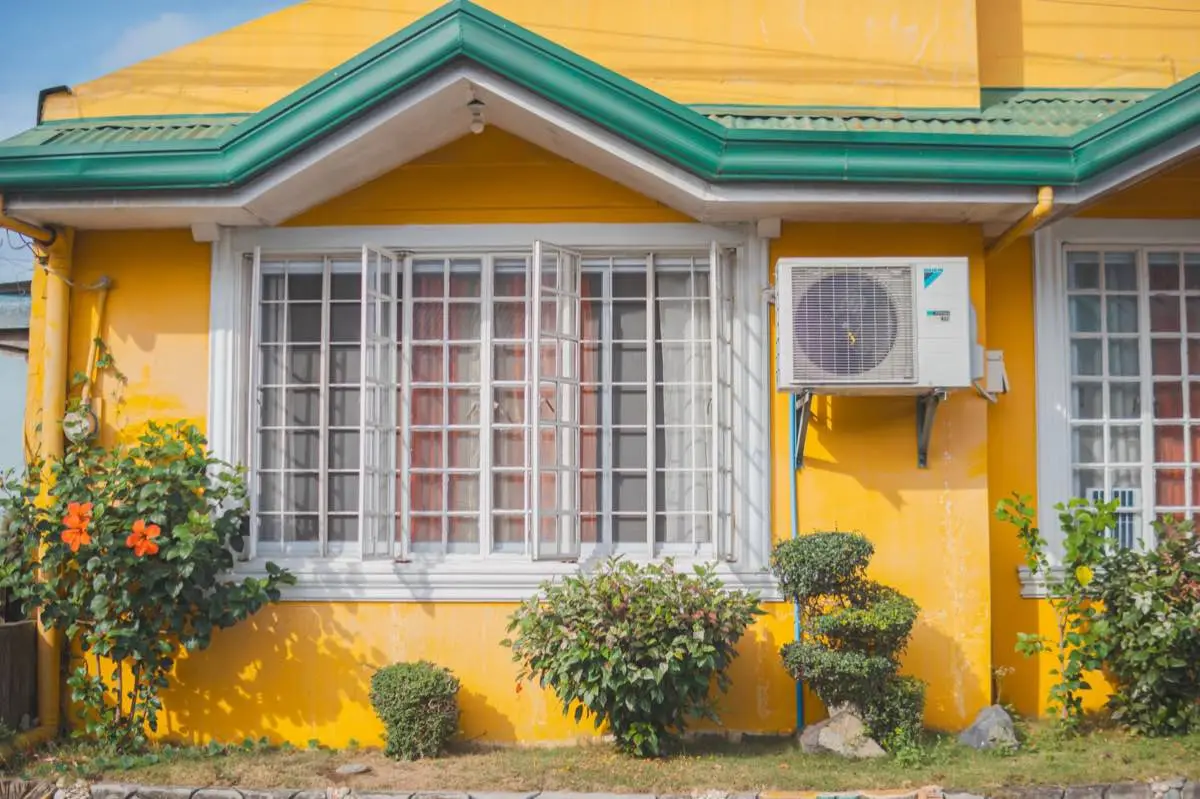
Vinyl earns its share of this market honestly. A fusion-welded uPVC frame with multiple internal chambers is the cheapest way to reach the Zone 6B number, and on a straightforward retrofit it is usually what we recommend first.
Fiberglass Window Replacement
Fiberglass costs more than vinyl and we still specify it often here, for one reason that is specific to this valley rather than general to the product. It is not about looks and it is not about the warranty length.
Wood-Clad Window Replacement
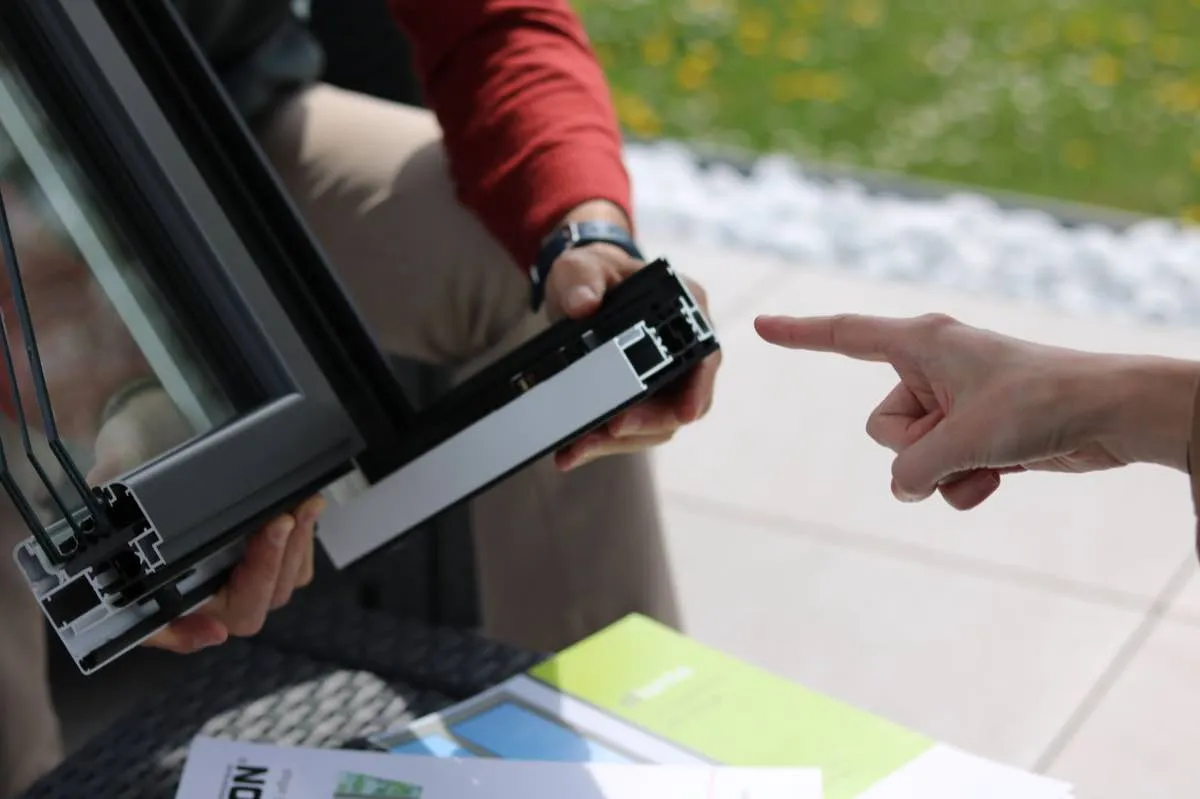
Wood interiors with extruded aluminum exteriors are the standard premium answer, and this climate treats them better than most places do. That is not a sales line, it follows from how dry the air is here in winter.
Aluminum Window Replacement
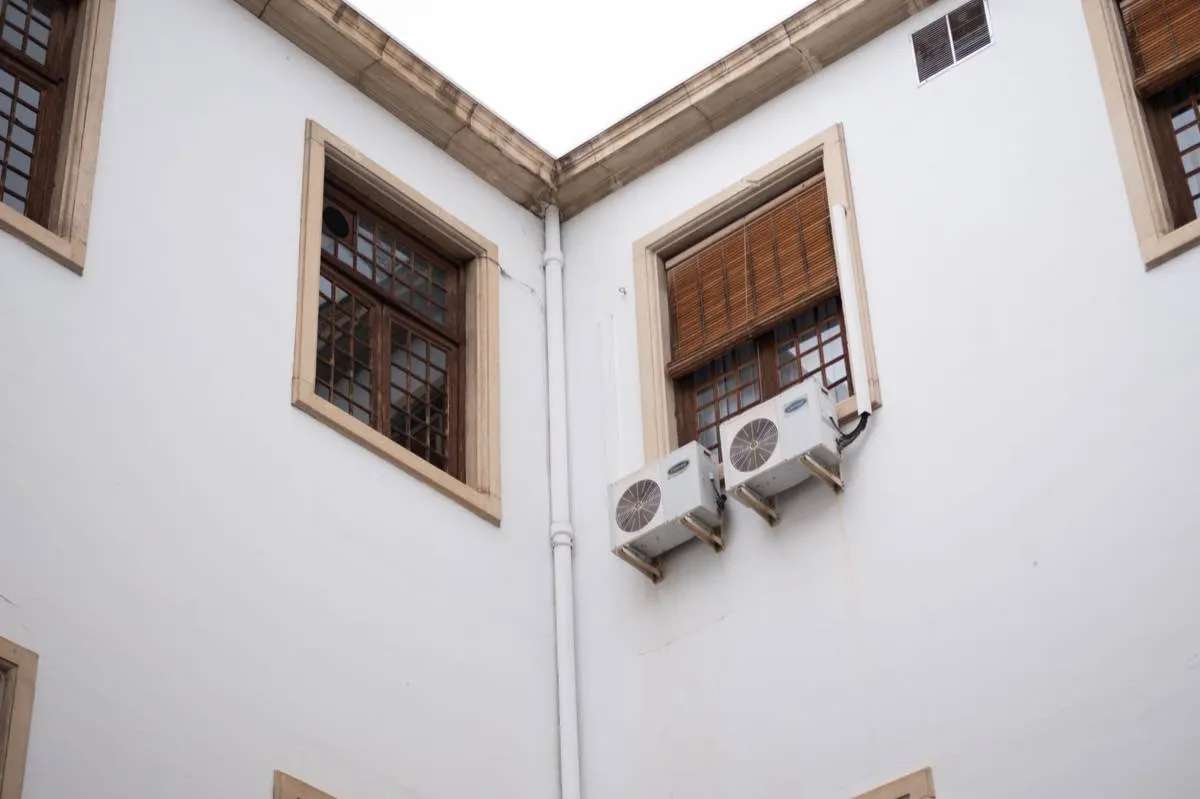
On this page we talk owners out of something we sell. Residential aluminum is a poor fit for Zone 6B, and in most Idaho Falls houses we will tell you not to buy it.
Double-Hung Window Replacement
Double-hung units dominate the pre-1980 stock in this city, and a large share of that stock went in during a single stretch of building that has no equivalent in the rest of Idaho. Census table B25034 puts 38 percent of the city's roughly 28,000 housing units in the three decades from 1950 through 1979.
Casement & Awning Windows
Nothing else in the catalog seals as tightly as a casement, and on ground this exposed that single property decides winter comfort more than the glass package does. The reason is mechanical.

Sliding Window Replacement
Sliders are the product we are least enthusiastic about and still install regularly, because in certain openings they are genuinely the right unit and we would rather say which ones than oversell an alternative. Start with the weakness.
Bay & Bow Window Replacement
A bay or bow projects living space past the wall plane, and in Zone 6B that projection is a small unheated roof and floor bolted onto the side of a heated house. Getting those two surfaces right matters more than the glass.
Picture & Architectural Windows
This is the page where the local physics runs the opposite direction from what people expect. Large fixed glass is the safest thing you can order at this elevation, not the riskiest.
Basement Egress Windows
An egress window is a life-safety item first and a daylight upgrade second, and in this city it is also the one window project that reliably involves the permit counter and a saw cut in a foundation wall. Four figures out of the residential code govern a below-grade sleeping room.
Impact & Laminated Glass
We will start with the recommendation rather than build up to it. If you live in Idaho Falls and someone has quoted you impact-rated windows for storm protection, decline.
Patio Sliding Doors
In most houses the patio slider holds more glass than any other opening, and it is also the widest hole in the thermal envelope. In a valley that sees sustained subfreezing spells, how the sill is built decides how the door performs.
French & Swinging Patio Doors
A swinging patio door seals by compression, which makes it thermally better than a slider of the same size, and it fails differently in a cold dry climate than in a mild one. The seal advantage is straightforward.
Entry Door Replacement
An entry door is a small area of the envelope doing a large share of the complaining, and in a climate with a forty-degree daily swing the slab material decides how it ages. Fiberglass with a polyurethane foam core is our default here.
Fogged Glass & Sealed Unit Repair
Moisture appearing between the panes tells you the sealed unit is finished. It says nothing about the sash around it, and on a sound frame the correct repair is usually a fresh sealed unit dropped into the existing sash.
Commercial Storefront Glass
Commercial work in this city runs on a different code path and a different license class from residential, and getting both right at the start saves a great deal of rework. Idaho enforces the 2018 IECC on the commercial side alongside ASHRAE 90.1-2016, and Bonneville County sits in Climate Zone 6B for both.
Commercial storefront, entrance and glazing work
We handle commercial glass across Idaho Falls and the surrounding valley: thermally broken storefront systems, window wall and curtain wall retrofits, aluminum entrance doors and hardware, tempered and laminated safety glazing, and emergency board-up with follow-up replacement.
Commercial work here runs on the 2018 IECC and ASHRAE 90.1-2016 in Climate Zone 6B, and it requires a building contractor license class the city issues separately from the residential class. We carry the class that matches the scope and we show it before the bid rather than after the award.
- ✓Thermally broken aluminum storefront systems specified for Climate Zone 6B assembly performance rather than center-of-glass numbers alone
- ✓Downtown masonry retrofits sub-framed so the original opening and reveal are preserved behind a modern thermally broken system
- ✓Tempered and laminated safety glazing in doors, sidelites, guards and any panel meeting the code's size and edge-proximity conditions
- ✓Aluminum entrance doors with continuous hinges, closers sized to actual wind exposure, and thresholds detailed for winter grit
- ✓Insulated glass schedules checked against the fabricator's altitude policy for the smallest unit on the elevation, not the largest
- ✓Emergency board-up with measured follow-up replacement, including tempered stock ordered to the marked original specification
- ✓Office and medical buildings serving the desert research site, where occupied-hours scheduling matters as much as the glass
- ✓Written scope showing the license class, the permit path and the glazing schedule before any commercial bid is accepted
Recent Projects Across the Upper Snake River Valley
Full gallery →How It Works
- Measure, and read the existing openings. We measure every rough opening and every sash, check the existing frames for rot, racking and failed seals, and note which openings are undersized for egress. On older houses we also check whether the original opening was ever altered, because that decides whether a pocket retrofit or a full-frame replacement is the honest recommendation.
- Specify to the Zone 6B numbers. We select glass and frames against the U-0.30 prescriptive ceiling Idaho enforces, and against the ENERGY STAR Northern-zone criteria where the budget reaches them. Because Zone 6B sets no solar heat gain ceiling, we specify south-facing glass for gain rather than rejection, which is the opposite of what a sunbelt specification would call for.
- Confirm the sealing plant before ordering. Before an order is placed we confirm where the insulating glass units will be sealed and what that fabricator's altitude policy is. If the policy calls for capillary tubes at this elevation, the units cannot hold argon, and we would rather change the source or change the expectation than deliver a surprise.
- Permit, install, and hand over the paperwork. Window replacement is not on the city's list of work exempt from a permit, so we pull one. Installation includes sill pan flashing, air sealing at the rough opening and insulating the perimeter cavity. You receive the NFRC labels, the permit record and the written workmanship terms at completion.
What Idaho Falls Customers Say
They asked where our glass would be sealed before they quoted, which no one else did. Turned out the first company's units would have come vented and without argon. We got the numbers on paper, the permit was pulled, and the front rooms hold heat now in a way they never did.
Two of our windows were fogged and I assumed we were buying eight new ones. They measured the sash, told us six were fine, and replaced only the two failed glass units. The bill was about a fifth of the other estimate. Straightest contractor conversation I have had in years.
We wanted the tinted glass a salesman had pitched us. They explained the code here has no solar heat gain requirement and that we would be giving up winter sun for nothing. Talked us into clear high-gain glass on the south side instead. The living room is noticeably warmer in January.
Basement bedroom had no legal egress and we needed it done right for the sale. They cut the foundation, set the well with gravel and a drain to daylight, handled the permit and the inspection, and cleaned up completely. The clear opening measurements were on the paperwork.
Service Areas
Idaho Falls Window Replacement serves Idaho Falls, ID and surrounding communities including:
Frequently Asked Questions
Do I need a permit to replace windows in Idaho Falls?
Yes. The city's building division publishes a list of work exempt from a permit under the residential code, and window replacement is not on it. The exemption list covers things like painting, carpeting and small awnings.
Because a permit is required, the city also requires that the contractor pulling it hold a building contractor license issued under the municipal code, which is a separate requirement from state contractor registration. Homeowners working on their own single-family residence are exempt from the licensing requirement but still need the permit.
What U-factor do windows have to meet here?
Bonneville County is in IECC Climate Zone 6B. Idaho enforces the 2018 IECC with its own amendments, and the prescriptive fenestration limit for Zone 6 is a U-factor of 0.30, with skylights at 0.55. Idaho rewrote the Zone 5 and Zone 6 rows of the insulation table but left the Zone 6 window numbers unchanged from the model code.
ENERGY STAR Version 7.0 sets a much tighter Northern-zone criterion of 0.22, which is the number worth aiming at if the budget allows.
Does elevation actually affect insulated glass here?
It can. A sealed unit assembled at low elevation and shipped to about 4,701 feet carries an internal pressure that no longer matches the outside air, and fabricators resolve that by fitting a capillary tube. Published absolute thresholds range from around 6,000 feet up to 10,000 feet, while policies based on change in elevation trigger far lower. Idaho Falls sits between those approaches, so the answer depends on which fabricator you ask and how small the individual lites are.
Why does a capillary tube matter to me?
Because a capillary tube is an open path between the sealed airspace and the outdoors, and argon escapes through it. Cardinal's bulletin says plainly that gas-filled units are not offered for high-altitude orders and that closing a fitted tube reliably is beyond current practice. Published figures put a quarter-inch double-glazed unit at about U-0.287 air-filled against U-0.239 with argon. Against a code ceiling of 0.30, that is most of your margin.
Should I buy low solar heat gain glass in Idaho Falls?
Usually not on south and east elevations. Climate Zone 6B sets no solar heat gain requirement in the code at all, and ENERGY STAR states the Northern-zone coefficient as a minimum of 0.17 rather than a maximum, with the alternate compliance path asking for 0.35 or higher. This is a heating-dominated valley, so winter solar gain is an asset. A west-facing room in July is the one place where controlling gain is a reasonable priority.
Is repairing the fogged glass cheaper than replacing the window?
Very often, yes. If the sash still operates, latches and seals at the perimeter, replacing only the insulating glass unit typically costs a fraction of a full window replacement. We quote both so the comparison is visible. The one thing to check is where the replacement unit will be sealed, because a unit fabricated at low elevation and shipped here may arrive vented and without argon, which would leave you thermally worse off than before.